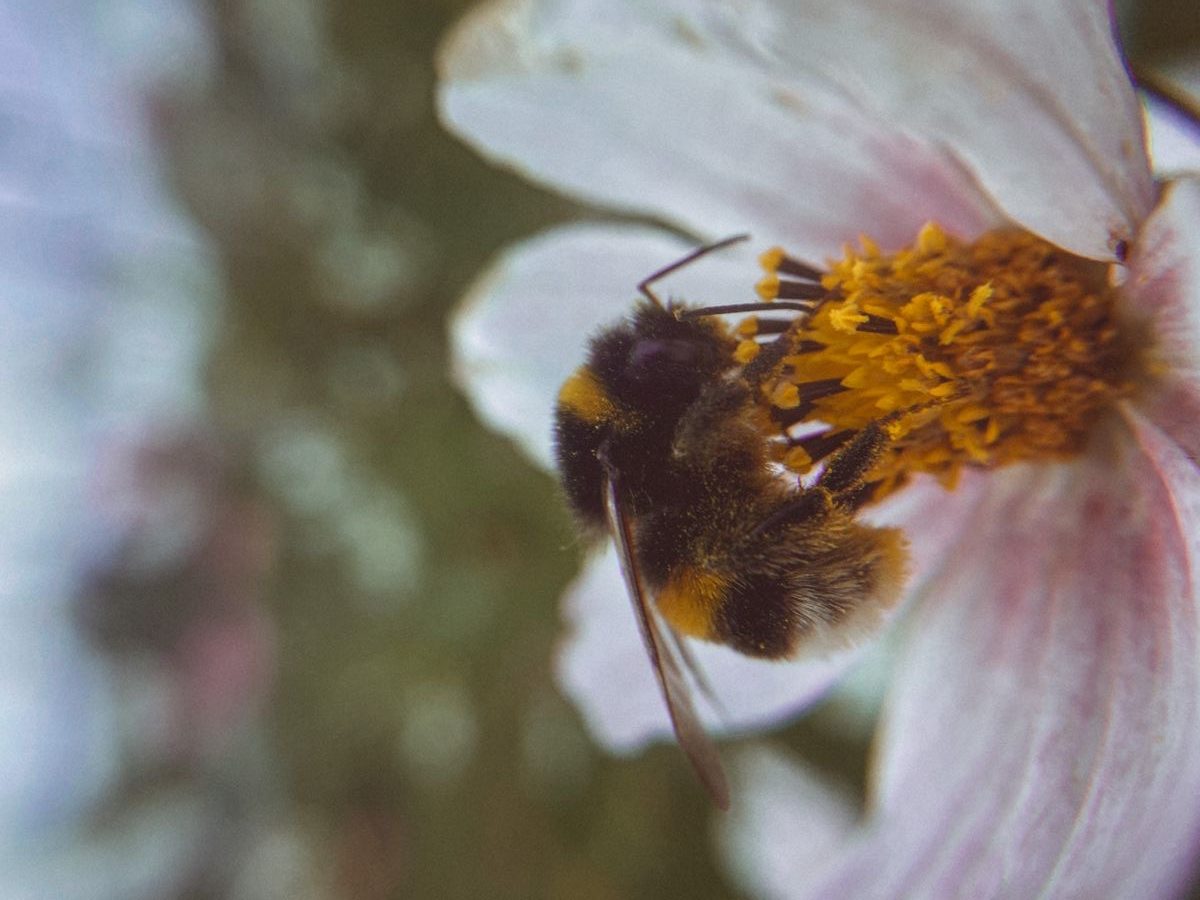
Most of a honey bee’s social life unfolds in the darkness of the hive.
I like my tea with honey. I reach for the box that contains my uju and peak inside. The special note that accompanies every jar I purchase stares back at me. A fun fact about honeybees. A tablespoon in my cup of rooibos. Morning and evening. Warm winds of sweetness encourage the drink to settle throughout my chest.
If I keep this up for long enough, I might have something to say. Though, unlike the honey, the truth isn’t as easy to share. The tea cools before it is even touched. Now, I am become awares of the season to come.
I wonder how you’d feel about the things I do in the dark. They’re the same things I do when I’m at a concert and when I’m alone or with you in my room. Hands moving uncontrollably, eyes dilated, knees weaker than the hips.
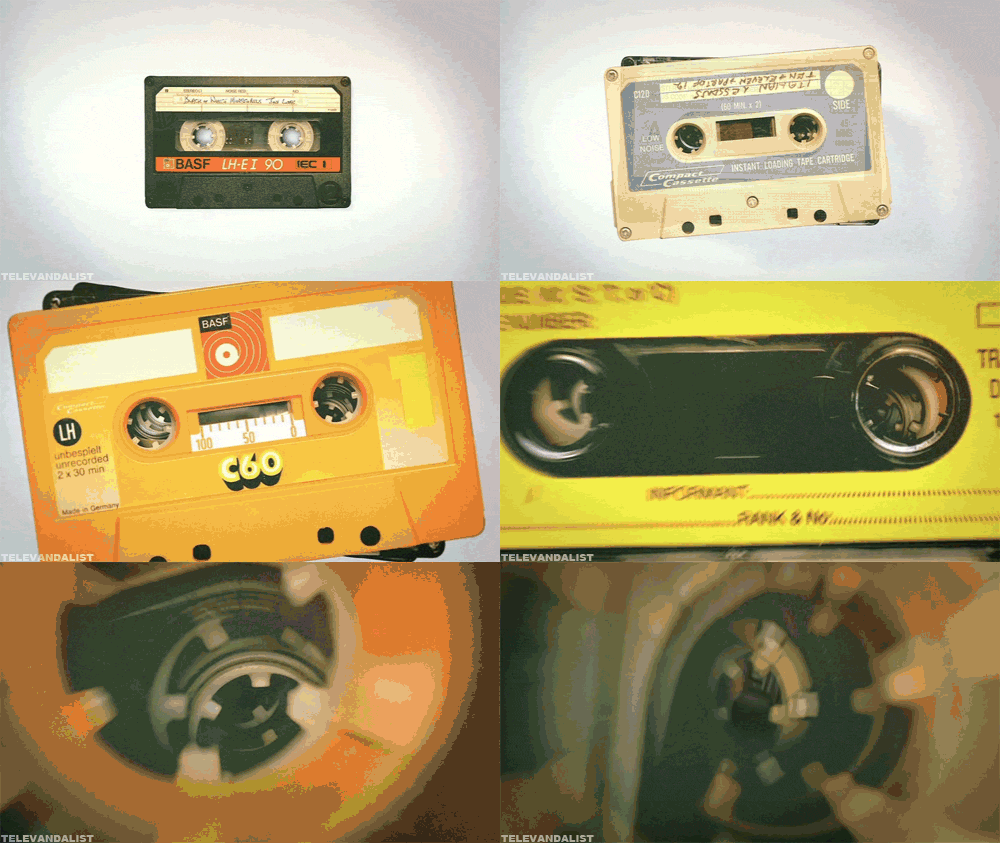
I wonder how you’d feel about the sounds that escape from my lips when my song comes on. Would you rewind so you could watch me do it again? I wonder how you’d feel about how I lose my mind over you. Would you unwind so you could make me do it again?

Reminiscing on the late evenings I spent mesmerised by The Beyonce Experience in my childhood, I recall how live music made an early impression on me. I’m always beside myself after a live show; whether that be on the stages of Constitutional Hill or behind some trees at Arts on Main or even after I’ve had you over.

I spend hours ruminating over the experience; hands rewinding uncontrollably, eyes fixated on the screen, reliving every detail until the phone dies from desire.
Owing to the endless soaps and periodic field trips to the Johannesburg theatres, myself and plenty other unassuming music lovers wound up repressing the love for the musical. I for one, went from being the supporting act in my school plays or the exotica at the church demonstrations, to settling as the leading lady in a special somebody’s phone during the dark ages.
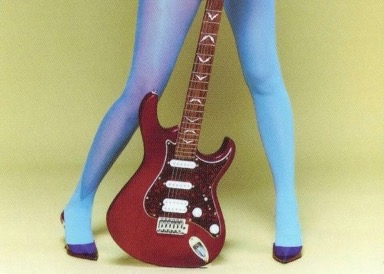
The media we consumed conditioned how we process music, but as things change, and they tend to do, we grew to perform in different ways. Now, the only other places I get to be the main score are in my room, and amidst a crowd of fellow inflated musical egos.
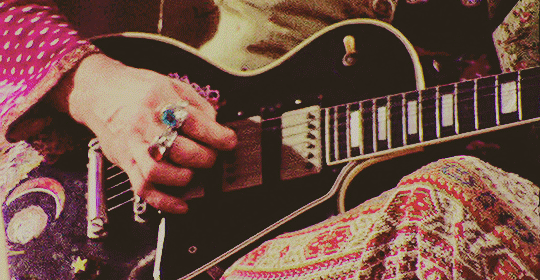
Aided by altruistic stage planning, contraband and a feeling that I might get lucky, all this pent up energy releases itself when I’m at the function. The music isn’t all that makes the party, the people feed the fire.; the genge I arrive with in the late afternoon, and the gengi I might end up with by the end of the night.
Who I might see, what I might do, how it might make me feel. The function is a place of possibility. In a crowd of hundreds of people, thousands sometimes, what are the odds I bump into you? It must mean something… seeing you here.
The most recognizable honey bee sound is their buzz. The familiar hum comes from the rapid movement of their wings during flight, which generates vibrations in the air.
In January 2025, I attended the first Milk & Cookies Festival in Johannesburg, headlined by Kaytranada. Do you want to roll the tapes? Do you want to watch the film?
The energy of the music festival pulsed through the night air; thick with the scent of trampled grass, spilled beer, and the faint trace of languid smoke drifting through James & Ethel Gray Park.
In chaotic unison, our bodies swayed. Stacked shoulder to shoulder and depth scintillating through the line array, our heartbeats synched.
He towered over the crowd just beyond the reach of the flashing lights. The music faded into nothing the moment my eyes found him. I perdendosi’d from the real world and entered a private session.
The deprecated basslines, the harmonious cheers, the vibrato from the city’s uber creatives – they all resolved into a shoegaze-y rhythm and for a second I was left with only the sharp inhales I forgot to take.
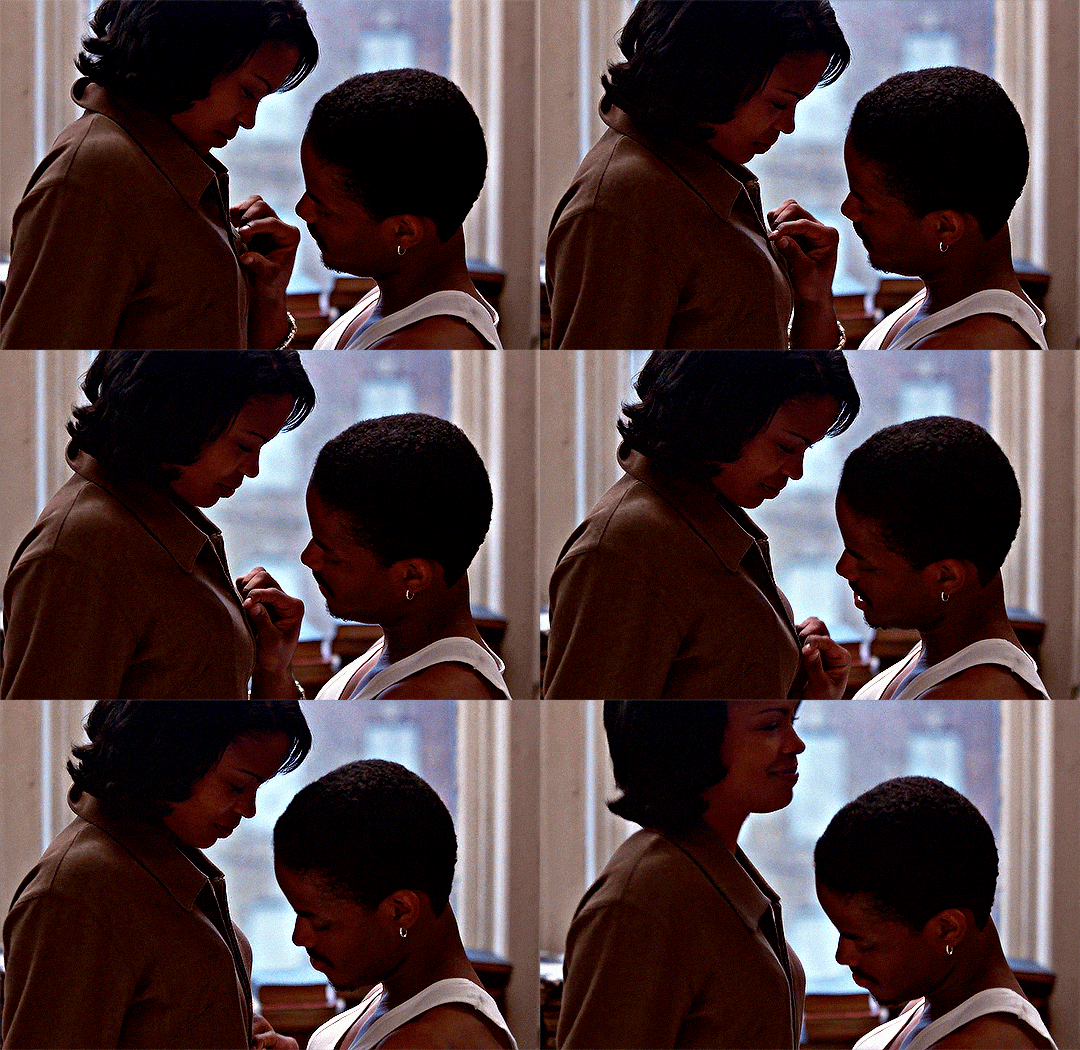
Unsure of whether the air had vanished or if I had simply forgotten how to breathe on my own, I struggled to explain myself to myself. Rolling in the deep, I struggled to communicate the feeling that overwhelmed my body and numbed my physical reactions to the groove.
The strobe lights cast an eerie glow on his skin, turning him an almost spectral blue at times, like a figure caught between worlds. His haircut was sharp, the faintest shadow of facial hair framing his jawline.
He always carried himself like he had nowhere better to be, as if the chaos around him barely consumed him but he loved it nonetheless – present yet detached, always just out of reach.
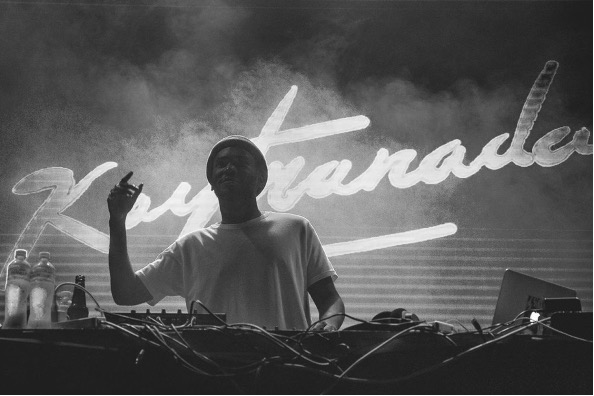
When he looked up, his eyes lingered for a moment, pride flickering through them. Then came the slow, knowing smirk, curling at the edges like a secret left unsaid.
The frequency of honey bee buzzing – typically between 200 and 250 Hz – has been shown to have a calming effect on humans.
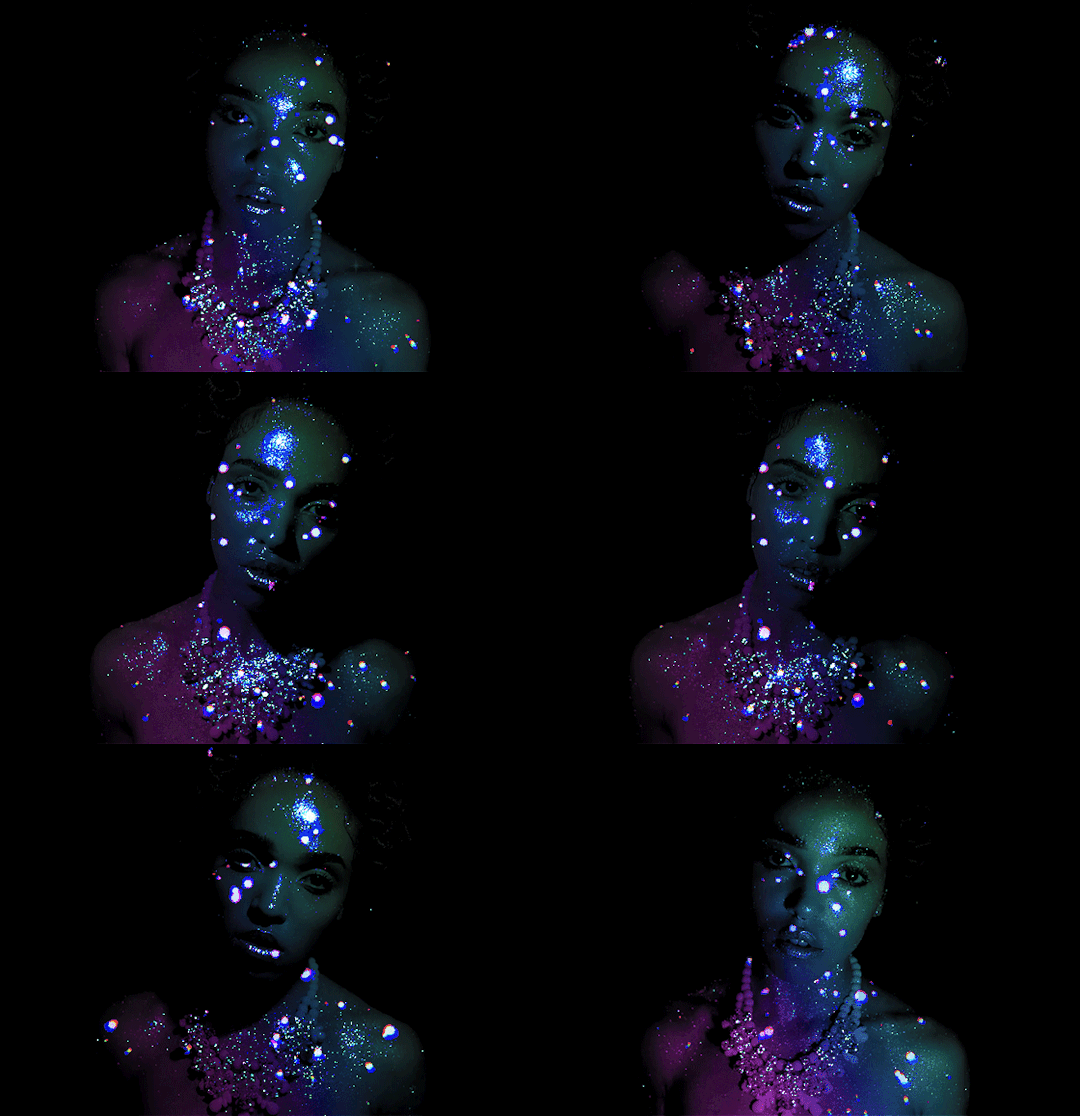
I felt that smirk in my chest before my brain could process it. His mixes were tight and a tad bit predictable. The kind of arrangement that declared the greeting a native habit. He must have sensed that this was the exact sequence I replayed BUBBA in.
I came alive in the nighttime as we raged to the depths of our electronic souls. I lost it at every queue. We could’ve been anywhere else in the world, but we were there together.
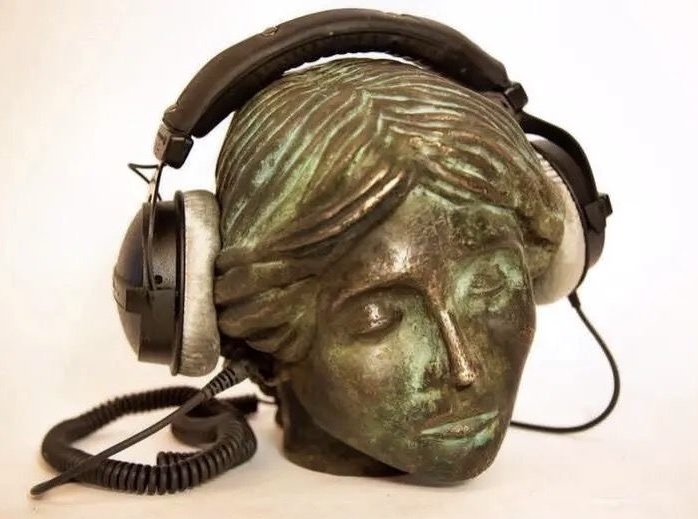
I believed it meant something more, as you do, but the veil of reality halted the rhythm of this train of thought, creating a lump in my throat.
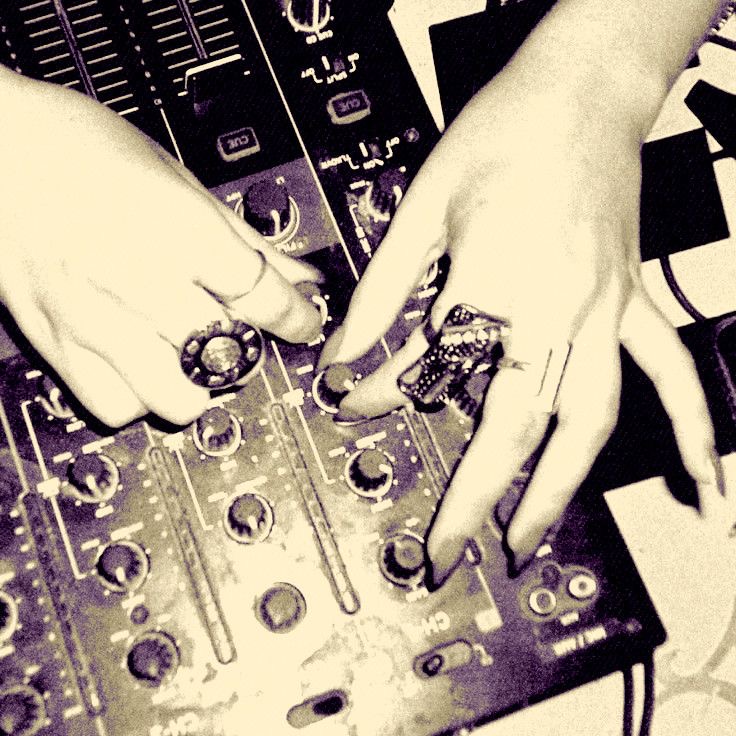
With my hopeful melodies unable to escape through my voice, my muted emotions travelled down my passaggio and dissipated from my heart as a fleeting moment, my chest unable to hold on to each transition that hooked me in the first place.
I found the moon during a segue and exclaimed of how well Kaytranada knows me. It may be an artists’ rule of thumb to spark an emotional reaction in every member of an audience but in that moment, I was the quirk. I had surrendered to the music.
Honey bees also use their buzz as a warning signal, making themselves sound more threatening to potential intruders.
After the encore, I spot irony walking towards me. With nowhere to hide, I turn the other cheek, unawares of the wild enthusiasm the Randy in the blue flannel shirt busts with at the opportunity to disrupt my blues.

I’m walking this way, you’re walking that way. I see you, I look away. You stop talking, you turn around. You shout my name, I turn around. You’re in my face, you embrace me, you shout my name, I say, “hi”. You let me go, you look at me, you hug me again. I hug you back because why the fuck not?
We let go after an eon. You cross your arms. You’re in my face again asking me where I’ve been. I say I’ve been getting my money up. You smirk and we lock eyes. You appear to be holding something back. I’m waiting for you to just give it to me.
Then your friend interrupts, “Bro we gotta go”. You’re still gazing at me. Then you bite your lip and glare at him for what felt like forever. He says, “Dude come on”.
Then you introduce him as your little brother and me as the love of your life. That’s a lie, you just say my name. He greets me, I greet him back. He reiterates that you guys should, “really get going”. The staring contest intensifies.
Bees spend seconds to minutes on a single flower, often spending longer on flowers they are “buzz-pollinating” for pollen. A single honeybee can visit between 2,000 and 7,000 flowers in a single day. Throughout their lifespan, a bee can visit up to 150,000 flowers.
You try to put up a silent argument but defeat washes over the resistance. I hold my breath, anticipating it. You surrender to the fact that you have to leave. I surrender to the moment because you are here right now.

The buzz from the bees and the chords from the strings take me to places I have never been. For three minutes and thirty seconds, I’m willing to go there with you.
I feel my body forgive you for crimes you didn’t know you committed. I feel myself open up and lose control, letting your arms sway me back and forth and all the way round.

Just when I think you’re about to let go, you pull me in closer and hold me tighter for just a little longer. Unapologetically rocking my boat with no intent of loosening your grip on my waist.
You whisper everything to me in one short sentence. Overwhelmed by your sweetness, I mumble something back. I can’t find the words to carry this conversation or the confidence to let it carry me, but I trust that you feel it too.

Our symphony concluded with a delicate pianissimo as we went our separate ways, and the needle slipped into the runout groove. KP